You’re more capable
than you think.

Cordo is an iPhone app that helps build confidence from your own evidence. Deposit what you did. Each deposit turns your focus to what you did, not what went wrong. Over time it all adds up.

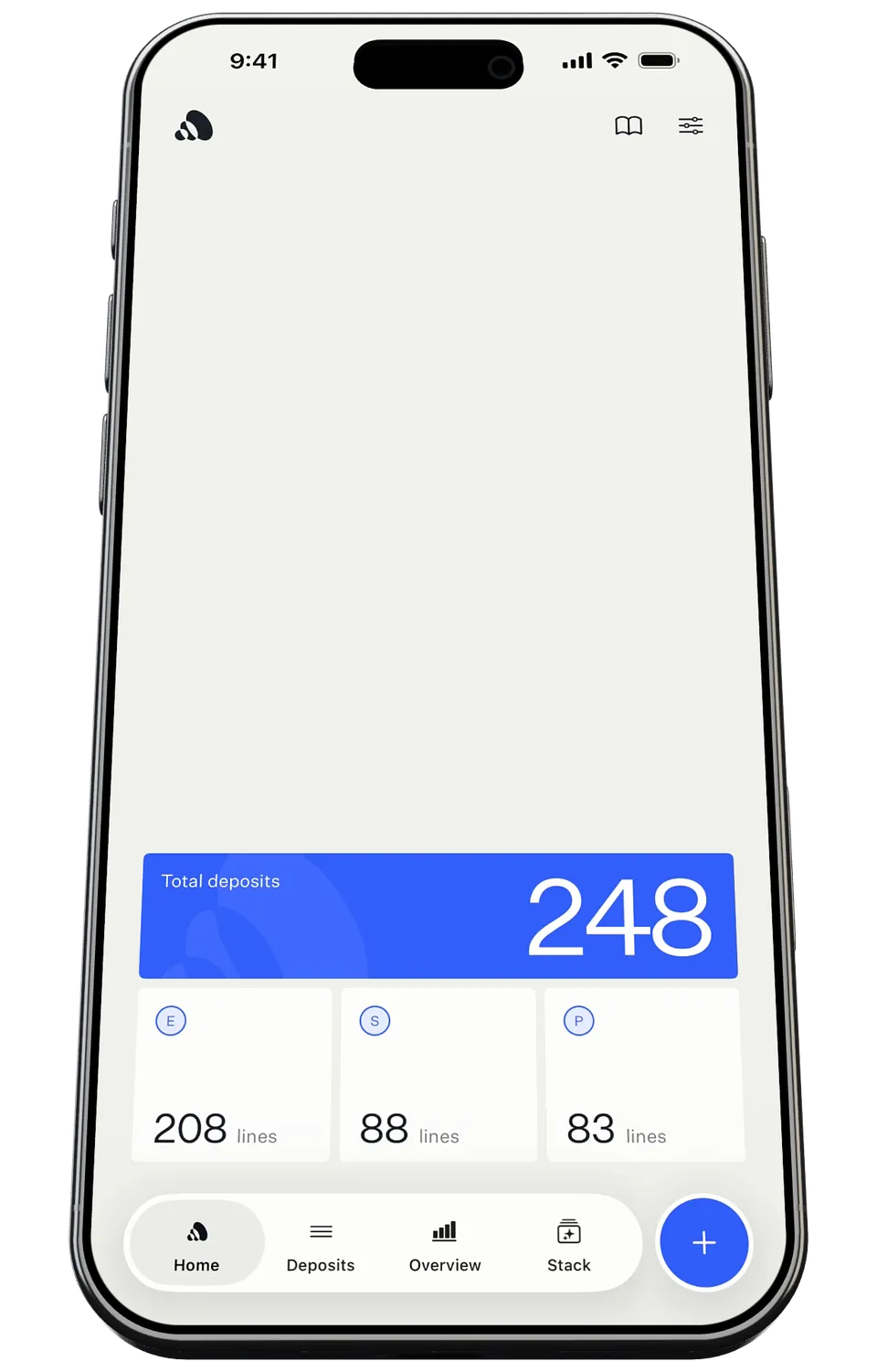
Cordo's Home screen on an iPhone: Total deposits 248, with 208 Effort, 88 Success and 83 Progress lines.

The problem

You tend to forget your wins,
while focusing too much on your misses.

That’s how memory is wired. But how capable you feel shouldn’t depend on what you happen to remember.

Deposit what you did

Before it fades, jot down: the effort you gave, a success you had, a bit of progress you made.

Answer one or all of them, in your own words, whenever it suits you.
That’s a deposit. Each deposit is a practice in noticing your accomplishments.

Effort

Success

Progress

What you get

Proof that adds up. And stays yours.

Each deposit turns your focus to what you did, not just what went wrong.
Every deposit adds to it, and nothing takes from it.

All your deposits,
safe in one place.

From a fleeting feeling
to a record of proof.

This is your practice.
Yours alone.

  • On your device.

    Stored privately on your iPhone. Works offline.

  • Syncs through your own iCloud.

    End-to-end encrypted. Only you hold the keys.

  • No ads. No tracking.

    No analytics, no ad trackers. Nothing is collected.

  • Export everything, anytime.

    All your deposits can be exported as Markdown, member or not.

See your progress,
area by area.

A balance that keeps growing.
Nothing takes from it.

A growing number of deposits

Stack of proof

On a doubting day,
flip back to your proof.

Swipe back through what you’ve already deposited,
one line at a time, in your own words.

Courage
EEffort

Sat with the awkward silence instead of filling it.

#247Sep 26

Why it works

A practice shaped by
how confidence is built.

Cordo is a daily practice for building confidence.
It’s shaped around research and proven concepts.

Negativity bias01 / 04

Wins don't stick on their own.

We tend to hold onto what goes wrong and let the good slide off — one of the better-documented habits of memory. Banking what you did on purpose is how you keep it: the practice does deliberately what memory won't do for free.

  1. Self-efficacy02 / 04

    Belief is built from proof.

    In the research on self-efficacy, the strongest source of belief in your own ability is having done the thing before. Every deposit is a piece of that record, in your own words, that you can point to.

  2. Retrieval practice03 / 04

    Recall is a rep.

    Memory research finds that bringing something back to mind makes it easier to reach for next time. Most of those studies are about learning facts, but the mechanism is the same: revisiting your evidence is practice at finding it when you need it.

  3. Deliberate review04 / 04

    Game tape, not affirmations.

    Athletes review what actually happened in the game rather than telling themselves it went well. Confidence you can trust is the kind you can back up, and a record of what you did is something you can look at.